
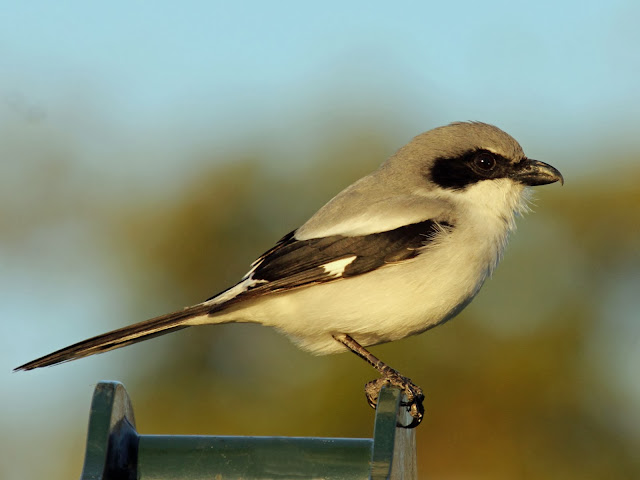
Avian Bornavirus (ABV) is identified as the number one cause of PDD or Periventricular Dilatation Disease, also known as wasting disease.
PDD was first recognized in the late 70's. Initially, this mystery disease seemed to be limited to macaws, however most species in the Parrot and Waterfowl family have been recorded with the disease.
ABV infection is one of the most frustrating diseases encountered in avian medicine today. Institutions around the world continue to have researchers working on this virus.
The virus can be spread in many different ways including fecal matter, but can also be transmitted to the baby chicks through the egg. The first signs of the infection can be as short as days but may also be much longer, possibly decades, in some birds.
Two symptoms to be aware of are:
A) Gastrointestinal signs which is best seen in the fecal matter.
B) The primary neurological signs could be seizures, wobbling, and poor balance.
B) The primary neurological signs could be seizures, wobbling, and poor balance.
What determining factors are used to diagnose of this virus?
The infection is challenging in the living bird, but typically relies on blood tests. Your avian veterinarian may want to perform a crop biopsy by surgical removal of a small segment of the crop wall. This sample will be evaluated beneath a microscope for signs consistent with neuropathic ganglioneuris.
The glandular portion of the bird stomach is known as the proventriculus. Disease of the proventriculus leads to the inability to digest food normally. This disease combined with other symptoms such as depression and passage of undigested food in the feces would be indicators of PDD.
The infection is known to affect the nerves of the stomach which can cause ventricular inflammation. Symptoms of the virus include neuropathy and gastrointestinal problems.
There is evidence that the virus is widespread in parrots in the United States. The rates of infections up to 60% have been identified in birds that appear completely healthy. It is suspected since the infection can be difficult to confirm, infection rates are probably even higher.
What treatments are available birds with PDD?
There are no treatments that, without a doubt, stop the disease. Because of the inflammatory component of disease, avian veterinarians often prescribe anti- inflammatory drugs. The PDD patient frequently will rely on nursing care and a high quality, easily digestible diet.
If you have several birds, make certain to isolate the ill one. You also want to make certain to wash your hands frequently.
As always, if you suspect illness, seek the advice of an Avian Vet.
What All Parrot Owners Need to Know About the Avian Bornavirus and the Relationship With PDD
By hairstyle

Parrots can have many different types of eye problems; this article will describe some of the real threats to your Parrots.
A) Conjunctivitis - Is caused by a bacterial infection in the lungs associated with environmental factors (dust, drafty housing, and irritating fumes), nutritional deficiencies (vitamin A is often cited, although no specific experimental evidence support this view) or trauma and can be associated to ulcerative keratitis. Conjunctivitis is fairly easy to notice with a crusting of the eyes normally accompanied by red a swollen tissue beginning at the eye lid. An avian vet would diagnose and would normally treat this condition using antibiotics.
B) Avian Pox - A viral infection often having similar symptoms of Conjunctivitis although it is common to be accompanied by swollen, blistering formations on the eye lid.
C) Marek's Disease - Is in a group of herpes viruses and most deadly although a vaccine (Zovirax, normally used for chicken pox in Humans)can be helpful to eliminate the spread of Marek's disease it is usually too late to save the infected bird. There are 4 types of Marek's (Cutaneous (skin form), Neural (nerve form),Visceral (internal-organ form),and the Ocular (Eye form). The Visceral (internal Organ Form) type is most commonly found in chickens, but can spread very quickly to other birds(Parrots). This Disease is normally spread through dander and close contact.
D) Uveitis - Is the inflammation of the eye and can be an indicator of much more serious internal problems. Trauma, penetrating injury, systemic disease, autoimmune condition, and mycosis, bacterial or viral disorders are causes of uveitis in birds.
E) Cataracts -Several causes for cataracts including poor diet (low vitamin e) this has also been associated with long term exposure to artificial light, senescence, trauma, developmental abnormalities, genetic disorders, nutritional deficiency, radiation, UV radiation and inflammatory factors. The good news is an operation to remove the cataracts known as Lensectomy by needle discision and aspiration, and conventional extra capsular extraction or ultrasonic phacoemulsification can be successful in birds.
F) Glaucoma - Glaucoma has rarely been reported in birds. Identification of glaucoma in most bird species is problematic because of the small size of their eyes, making even the use of testing equipment with small tips difficult or impossible when glaucoma is found, it is usually due to trauma and resulting iatrogenic associated with cataract surgery
G) Corneal degeneration - In pet birds, crystal deposition in the corneal stoma is reported as the second most frequent ocular disorder in pet birds.
Parrot Health - Illnesses Pertaining to the Eyes
By hairstyle

The art of keeping your parrot interested with toys can be a challenge. This becomes less of a challenge when using some creativity.
Your parrot's safety should always be considered when creating or modifying toys.
Make certain that all materials used are bird safe. When using rope of any kind, make certain it is free from treatments and processing oils.
Inspect all toys for any loose parts that may cause your parrot to become tangled or where feet and claws could get injured. If in doubt, simply do not use the toy or materials. Always supervise your pet when becoming familiar with a new or modified toy.
Parrot toys are classed into several categories. In this article, some of the most popular categories are explained.
1) Foraging toys - Are a wonderful way to enrich your bird's life and to satisfy the natural instinct. For a larger parrot, a great resource is an outdated phone book. Drill different depths of holes through the phone book making certain at least two go completely through. Secure the new toy to the parrot's cage by inserting proper length bolts through the holes and fastening with washers and nuts. When considering smaller species, some great foraging toys can be purchased in several different designs. The addition of paper strips cut from paper bags or lunch sacks turns these toys into irresistible delights for your parrot.
2) Foot Toys - Are great for building your parrot's coordination and foot strength. These toys are manufactured and sold in many different forms. Some of these toys consist of small blocks of wood or plastic that can be purchased at many vendors. A great foot toy can be made using a small piece of sisal rope and securing a large wooden bead on each end with a square knot. Another alternative is cutting pieces of card board or using small cardboard boxes.
3) Shredding toys - Are great for exercise and focus. These toys can also be purchased and modified by securing strips of paper to the items for additional shredding time. A great alternative is to wrap small toys and treats tightly in newspaper and place these trinkets in different parts of the cage.
4) Rope - Is good for exercise and coordination. Climbing ropes are great, but often times the rope remains installed in the same place. It is advised to relocate the climbing rope in different areas for your Parrot. To give the parrot more incentive to climb, secure ribbon or smaller size rope cuttings to the main rope at different spacing intervals.
5) Swings - Are great for coordination and strength. These can be purchase in many different sizes. A great way to make the swing more interesting is to add things just outside the path of the swing. This allows the parrot to reach for these items while swinging.
Parrot Toys - Keeping Your Parrot Interested by Using Your Creativity
By hairstyle

Finch is a general term for hundreds of species of small birds, all of which eat seed and many of which are brightly coloured with pleasant songs. Even familiar birds such as canaries as actually a type of finch and common aviculture birds such as Zebra finches belong to another finch family.
Finches make excellent pets with the understanding that they are not like parrots - they don't become tame and will rarely come to your hand for food when living in a cage. However, given the right environment they make an amazing sight to sit and watch, filled with activity and amusement. The first step is picking the right cage for you finch and here are some tips.
Finch size
Finches range in size from the tiny Gold breast Waxbill that is around 9cm long to bigger birds such as the canary and goldfinch at around 12-13cm and to even bigger birds such as the Hawfinch, normally around 16.5-18cm in length. As a rule, however, finches are always smaller than parrot family birds such as the Budgie and the Cockatiel.
The other main differences are their beak and their feet. Parrot family birds are often referred to as hook beaks because of the shape of their beaks, which form a hook from their face and overlap with the lower mandible. Finches have a beak that is designed for eating seed and insects and is two halves that both protrude from the face. The difference in feet is that parrots have two toes facing forwards and two facing back whereas finches have three facing forward and one backwards.
Cage sizes
All of these elements mean that a cage suitable for a parrot is not always suitable for a finch. The first reason is usually bar spacings - those made for larger parrots allow finches to fly straight through them! Therefore, cages that have bar spacings of around 1cm or half an inch is the best option to stop little escapees. The strength of the bars isn't so much of an issue with finches - whereas parrots can chew through weak bars, finches won't.
Whatever type of cage you are going to get for your finch, the best recommendation is to get the very biggest cage you can. Some clubs recommend, for example, a pair of zebra finches be housed in nothing smaller than 16x12x16 inch cage with at least two perches. This gives them room to fly around as well as somewhere to land and preen. Many smaller finches sleep in a nest box even when they aren't breeding, so room to add one in the cage or externally if there is a spare door is also necessary.
Cage features
There are some very elaborate cages available for finches but remember, these features mean little to the birds. A pretty shape, 'windows' and such will have no effect on the quality of life for the little residents. A square or rectangular cage will be ideal for them and they won't mind a rounded one either.
What is important is the content of the cage. Finches don't play with toys that much so there isn't much point in adding lots of them - they will just accumulate mess. Ladders, rope perches suitable for small birds and feeding toys are a good idea but be careful that they are designed for the size bird you have as ones made for parrots can often lead to accidents.
Finches love to bathe so will need access to a bath as well as a fresh drinking water supply. Some cages can have an external bath mounted on a door that can be taken away at night, otherwise a bath bowl may need to be placed on the bottom of the cage.
For the bottom of the cage, there are plenty of different ideas about what to use. I personally use a horse bedding called Easibed in my cages but this might not work for everyone, particularly when the birds are in the house. The old fallback is always newspaper and this still works - collects up mess, is easy to get your hands on and to change.
Tips For Picking Out a Safe Cage For Finches
By hairstyle

The African Grey is a wonderful, sensitive and highly intelligent bird. They require diligent owners and are a serious commitment. However, they are truly delightful and if approached with the correct understanding will make a lifelong companion.
Originating from Africa, there are two distinct types: the Congo African Grey and the Timneh African Grey. The Congo is the larger of the two, measuring 12-14 inches with a bright red tail. The Timneh is smaller, closer to 11-13 inches with a darker coloring and crimson tail. The Congo and the Timneh originate in different regions of Africa.
These highly intelligent parrots became famous from the cognitive studies of Dr. Irene Pepperberg. Dr. Pepperberg worked "Alex", a Congo African Grey. Alex was able to recognize and name more then 100 objects. He could label colors and count. Dr. Pepperberg worked with Alex for over 30 years. It is suggested these beautiful birds have the intelligence of a 5 year old child. They are sensitive and emotional, resembling the emotions of a 2 year old child. They require mental stimulation as a 5 year old child would. If bored or depressed they can be prone to feather plucking. In general, they are anxious and cautious in new situations.
They have a superior ability to mimic humans, often in the person's voice. Usually they will start speaking after 1 year of age and can often learn several new words weekly. They form strong attachments to their human "flock" and often have favorites. They have been said to be less cuddly then other species, yet loving and loyal. They are the professors of the bird flock and require as much attention as other species. They enjoy games that require mental stimulation such as foraging for "hidden treasures" of toys and treats. If one choses to home an African Grey, socialization of people and new surroundings, mental activities and emotional nurturing is very important. They cannot sit quietly in a cage, as one would not ask a 5 year old child to. But the rewards of the Grey are immense. They are very "human like" and very special.
African Greys have a lifespan of approximately 60 years and require a serious commitment due to their highly intelligent and sensitive nature. Hardy birds, they require a balanced diet supplemented with fresh fruit and vegetables. If making a commitment to an African Grey, it is highly suggested to annually visit an avian vet for complete check ups, nutritional guidance and blood work. Birds by nature will hide illnesses for a long time
The Beauty of African Grey Parrots
By hairstyle

A purpose-built budgie aviary needs to complement the colourful personalities of its inmates. Here are three important design features that should be incorporated in every budgie aviary.
1. Type of Aviary
A walk in aviary fixed to the ground is ideal for budgerigars. While it can take any shape in order to fill whatever space is available, a square or rectangular aviary is usually best and the most economical because it can be easily subdivided. There needs to be an indoor area to provide shelter and an outdoor area where the birds can enjoy the fresh air. The main advantages of this design are:
- it allows budgies to fossick on the ground for food.
- it provides more room and better flying space from the ground up to the roof
- it can be planted with plants and shrubs to simulate the natural environment.
- it is easy for people to enter and move around inside, which makes the tasks of cleaning the aviaries and catching the birds much simpler.
2. Perches
Budgies stand for most of their lives, and so, in order to prevent foot problems, their feet need to be exercised by standing on different-sized perches made of different materials.
Natural wood perches are best, as they have a variety of diameters and are good to chew on. Rope perches are also excellent, being made of a different, softer material and offering a variety of sizes.
Budgies are energetic so exercise is essential for their good health and quality of life. They need plenty of space to fly around in. Thus perches should be placed in a sheltered area out in the open, and arranged so they don't impede flight and allow the budgies to fly the longest distances possible.
3. Play Areas
Third, budgies are playful, and highly intelligent, and so need play areas where they can amuse themselves. These areas should have baths, greenery, and toys such as bells, ropes, and swings. Other toys that are easily shredded also appeal to their natural inquisitiveness (and natural destructiveness!). A clever trick if the flight has a netting roof is to lay an irrigation hose over the top of the aviary so that the birds can take a shower on hot days.
If you are serious about the health and well-being of your feathered friends, then you need to have a first class budgie aviary. Don't forget, budgerigars can live for up to 15 years - and so having them as pets is a long-term commitment.
Discover How You Can Have The Best Budgie Aviary In Town
By hairstyle

Spending a few minutes chatting with a talking bird can brighten your day, and adding a bird to your family will provide a fun opportunity to enjoy the bonds that form when your feathered companion can talk. Many types of birds love to talk and their styles can vary according to their species as well as their temperament. While some birds may be able to memorize a few words, others can carry on full conversations. Here are the top pet bird types that have the ability to learn to talk along with their defining characteristics to help you decide which one will best fit your lifestyle.
Converse With a Conure
Conures are known for having the smallest vocabulary out of the parrot family. However, what they lack in words, they make up for in personality. Conures have a loud, attention-getting voice, and they sound more like a bird than other species. Although they can reproduce the human voice to some degree, you may also hear them chatter in bird talk while maintaining a human-like rhythm. They also have a surprisingly strong ability to mimic many different kinds of sounds, and your conure can keep you in giggles as they sneeze, chortle and chuckle.
Query a Quaker
Quakers have tons of personality and many bird lovers claim that their quaker can respond as if they understand the entire conversation. Perhaps this is due to their impeccable timing, which indicates that they may have some understanding of the intricacies of human language. For example, you may find your quaker telling you "good night" as you turn off a light, or they may say "thank you" when you give them some food. Quakers are full of surprises and this is one talking bird that can keep the one-liners coming.
Babble with a Budgie
Budgies often get overlooked when it comes to talking birds, but according to the Guinness Book of World records, a budgie has earned the distinction of being "The Most Talking Bird" with a vocabulary of more than 1700 words. If you are considering getting a budgie, then be sure it is a male since females do not talk. Additionally, budgies pick up new words from their environment and are constantly adding to their vocabulary. Try leaving the radio or television on during quiet periods of the day and you will be amazed at how much your budgie can learn to say.
Gab with an African Grey
African greys are quieter than a conure, yet they also have the ability to reproduce different voices depending upon whom they are mimicking. For example, your African grey may sing a song in the voice of your favorite musical artist, or they could squawk "hello" in your kid's voice so well that you think they are in the room. As you teach your grey to talk, keep in mind that they learn words faster when emotions are attached to them. So, get excited when you tell them hello or call them a pretty bird.
Talking birds are a great addition to any home, and you can spend hours training your bird to communicate effectively. Whether you prefer a chatterbox or an occasional bit of birdie wisdom, there is a type of talking bird that will fit your preferences. Just remember that talking to your bird frequently is the best way to expand their vocabulary which means that you can get started from the moment you bring your new bird home.
By hairstyle

Parrots are beautiful birds with very distinct colors. You may have seen one in the wild or even own one as a pet. However, we wanted to give you some important facts about their behaviour that makes them different from your average companion animal.
Here are a few of our favorites about them:
1. Parrots prefer to have their head feathers stroked towards their beak
While your dog or cat may appreciate being stroked from head to tail, this is often merely tolerated or it can be sexually stimulating to companion Parrots.
I prefer to see a Parrot who fluffs his head feathers up in a big ball in anticipation of a few head scratches. Touching on the head is definitely a great way to foster your relationship. They will like it!
Look at your bird's body language to guide you as to whether your Parrot is just taking it or can't get enough.
2. Puking on us is how Parrots show love
Isn't that a funny one? Yes, it is true, this is not a joke!
Parrots may try to dribble this usually smelly gooey mush into your hand if you make it available. This courtship behaviour is also one that caregivers will want to avoid reinforcing. The beak will be brought to the chest and the head will arc in a repetitive motion as food is brought back up into the mouth. A Parrot who has decided you are its chosen mate will express its love by regurgitating for you. Weird isn't it?
3. Not all Parrots can fly well, not because they have colorful feathers
In some places it is common to clip the flight feathers on Parrots right about the time the bird would first attempt flight. If this happens (or you keep them on a cage that is too small to allow flight) during that time in development when flight should be happening, it can lead to a loss in flight for the rest of that bird's life. Teach them to fly.
There are also Parrots that find it naturally hard to fly due to their heavy body such as Amazons, Macaws and African Grey Parrots. These typically are the birds that were clipped during this critical stage of development in which their genetics would have been urging their body to attempt flight. Instead of flight, each launch off from the perch would have been met with a crash landing.
Behaviours such as recall, station training and developing flight skills make living with flighted Parrots a pleasure
4. Parrots are super-duper visual
If your dog is an expert sniffer and your cat hears the slightest rustle of small insects, then your Parrot can see the tiniest speck of a spider on the ceiling. This means he is also carefully watching you. Especially if he is interested in your attention and companionship.
You should know common Parrot behaviour when petting them, because you can't just ignore their stare.
5. Parrot friendships can take time, but can be super rewarding
Most of us are accustomed to being with dogs or cats and love to interact with our furry friends. In general, most dog and cat friendships seem easily earned compared to Parrots.
Many Parrot species are not as social as we might think. In the wild they live with only one partner or small family groups. Flocking may only happen under certain circumstances such as foraging or roosting. Therefore automatically accepting new individuals may not be the norm for those species. Learning history also plays a role in how quickly a Parrot may be inclined to respond to a new potential friend. That is where training can help.
Even though your Parrot's behaviour may present challenges that might be a bit different from your dog or cat, don't give up! They are often eager students and ready to learn.
5 Things You Need to Know About Parrots!
By hairstyle

The Northern Cardinal is a very common bird found throughout most of the eastern and central states, the entire south, and much of the southwestern United States. They can be in yards, gardens, woodlands, even deserts and have greatly increased their breeding range over the past 80 years. The Northern Cardinal does not migrate in the winter therefore providing shelter, proper food, and fresh water will entice them to visit your yard with enthusiasm and continue to do so throughout the year.
Northern Cardinals prefer dense shrubby areas such as forest edges, overgrown fields, hedgerows, backyards, marshy thickets, mesquite, and ornamental landscaping. Cardinals nest in dense foliage at heights ranging from 3 to 12 feet off the ground in many kinds of trees and shrubs. You will find them nesting in dogwood trees, honeysuckle vines, grape vines, red cedar trees, spruce trees, rose bushes, blackberry brambles, elm trees, sugar maple trees and box elders. They do not nest in bird houses or nesting boxes.
The diet of these beautiful red birds consist mostly of seed and fruit for the adults and the nestlings are fed mostly insects. Cardinals eat many kinds of birdseed. The Northern Cardinal's strong thick bill is perfect for large seeds. Black sunflower seeds, striped sunflower seeds, and safflower seeds are three of their favorites. Other foods cardinals prefer include cracked corn, peanut pieces, fresh berries, apple chunks and small pieces of suet. Offering a mix of these in wide feeders with space for them to perch will attract them to your yard or garden. Do not use small tube feeders unless they have a large tray at the bottom. Platform feeders and fly through feeders are also a good choice. Since Cardinals are ground feeders the food source you supply should be kept at ground level or below about 5 feet. Open air cedar bird feeders mounted on a post are an excellent option. It is also important to note that due to their bright color it is safer for the Northern Cardinal to feed very early in the morning or very late in the evening. They will often be the first to feed in the morning and the last bird at your feeder at night.
Cardinals like all animals require fresh water. Provide water in a bird bath a few yards away from the feeder. Clean the bird bath at least once a week and add fresh water to keep it attractive to the birds.
Tips for Attracting Cardinals to Your Outdoor Area
By hairstyle

Birds are amazing creatures that could be a great addition to your family. When choosing a pet bird, you will want to find the bird most compatible with your lifestyle and living situation. Here are some of the most popular birds that make the perfect pets.
The Parakeet (Budgies)
This is the favorite of all pet birds. These birds are the perfect choice for new bird owners or adults with children living in their homes. Even though the parakeet is not as large as its cousins, it will still require the same type of respect and care as a parrot. Due to their size, parakeets do not require a lot of space and they are easy to maintain. You can choose from a variety of colors, including red, purple, blue and green. Parakeets are smart enough to learn various words and phrases; however, most of these birds are content with whistling and singing. The average life span of a Parakeet is approximately 12 to 14 years.
African Greys
This is one of the most intelligent birds to choose from. African Greys have a very large vocabulary, and once you learn how to care for them properly, these pet birds are easy to train. Due to their intelligence, African Greys can be very demanding pets; this species of parrots become bored quickly when they are not stimulated. When cared for and fed correctly, these birds can live up to three decades or more. If you are looking for a smart and affectionate pet bird, the African Grey is the best choice.
Finches and Canaries
This is a pet bird favorite to choose from. This popular bird measures at five inches or less, and it requires a lot less space in comparison to other pet birds. Finches and canaries have softbills or waxbills, unlike parrots, a species known as hookbills. Since finches and canaries prefer to travel in small flocks, and they rarely pay much attention to humans, this is the perfect bird to choose if you will only be able to provide your pet with minimal interaction. If you provide adequate care for this bird, it can live up to 10 years.
Cockatiels
These birds are a member of the parrot family and they are delightful pets to have around the home. Cockatiels are natives of Australia and they are medium-sized creatures. These birds have advanced whistling and singing abilities that your entire family will love. Even though cockatiels have the ability to speak when trained properly, this bird prefers to mimic random and quirky sounds, such as the ringing of a telephone. You can choose from a variety of diverse color options when adopting a cockatiel. The average life expectancy of this pet bird is between 15 and 20 years.
Lovebirds
If you want to choose from the parrot species, this is the smallest bird in that family. However, many people prefer lovebirds in comparison to larger parrots that are more demanding. Lovebirds are approximately six inches long and, even though they are small, they have a strong personality and great intelligence. These birds are quiet, making them a great choice for the person who lives in an apartment or condominium. The lovebird has a life expectancy of up to 20 years.
These are some of the most popular birds that pet owners love. Before you take any of these birds home, you should always choose the one that matches your personal lifestyle the most. Choosing a bird that is a good fit for your family is the best way to ensure proper care of your pet.
5 Pet Birds That Make Great Additions to the Family
By hairstyle

It's important to know that parakeets are entertaining pets. They don't need lots of cost or upkeep. With proper care, these birds can live up to 14 years. Given below are a few tips that you can follow to take good care of your birds keep them happy at all times.
1. Parakeets Wants to be in Company
First of all, if you have just one bird, you have to get him a mirror. While a lone bird won't feel bored in your company, a mirror can help him feel happier, especially when you are not around. Aside from a mirror, you can also buy your parakeet a good bird stand-in from a good pet store. Ideally, you should get him another bird for company.
2. Give him different types of food
Here it's important to keep in mind that simple birdseed tend to get old quickly. On pet stores, you can find a variety of birdie treats, such as clip-on sticks, birdie biscuits and millet sprays, just to name a few. As a special treat, you can also serve your parakeets fresh fruits.
3. Parakeets Love Playing With Toys
Basically, parakeets love to play. You can choose from lots of toy options for your bird, such as wings, rings, bells and beads, to name a few. Aside from these, parakeets are attracted by shiny stuff, especially toys that make lots of noise or the things that they can move here and there with their feet or beaks.
4. Develop Trust With Your Bird
It may take a while for you to build trust with your pet. Basically, these birds are shy at first, but they get familiar with new owners in a few days. To build trust, you may want to put your finger before your bird for a few seconds on a daily basis. Doing this for a few days will give time to the bird to build courage to hope on your finger.
5. Never Reach Your Hand to Grab Your Bird
Your bird will get the most terrified if you move your hand to grab him. As a matter of fact, it's the fastest way to evaporate the trust between you and the bird. In the beginning, the bird may cause frustration to you, as he won't have the courage to sit on your hand. However, that doesn't you should grab him and make him sit on your finger or hand.
6. They Should Get Exercise
You don't have to take your bird out of the cage to let him get some exercise. However, if you have enough room in your home, you can take him out on a regular basis so he can fly around and have a great time. Make sure you close all the doors and windows before opening up the cage door.
So, these are some simple tips that may help you take good care of your parakeets. If you need more assistance, we suggest that you get in touch with an experienced pet owner or a professional. They may give you more valuable advice and tips.
6 Tips To Take Care Of Your Parakeets
By hairstyle

Pets are like the kids who require proper nurturing and a caring touch to thrive and grow up. Once you bring any of them home, you should shower on them the maximum amount of love and respect possible. That is why going for pets is a big decision that you must opt for after deep introspection. There are quite a number of things that you must take care of, in the best way possible. Here are some of the best ways in which you can take care of your canine companions, feathery buddies and feline friends.
• Schedule regular visits to the vets - This is one of the foremost things to be performed after you bring them home. They are almost like human beings and just like humans need a periodical check-up they also need to have it. This is done just to ensure that if they are infected with the virus of any kind of disease, it gets detected before it's too late. So you should go for regular vaccination of the dogs and cats especially and keep the number of your vet and that of a veterinary hospital handy just as a precaution of dealing with emergency situations.
• Spaying and neutering pets - This one is not only imperative but it proves to be really beneficial too. Each year there is an increasing number of animals who become homeless, are abandoned or lost. To prevent this, it is necessary that you go for this. This type of operation prevents the pets from developing certain types of cancer and also checks the roaming about of your pets and thus, decreases the chance of them from being lost.
• Make sure their food suits their nutritional needs - The inexpensive foodstuff that is available in the market may not be healthy for your pets. Similar is the case with feeding them with table scraps. No matter how sweet they look, it is not advisable to practise this because the food that you take may contain some minerals that are harmful to them. That is why you should feed them with the special type food meant for them that too in a responsible amount.
• Bestow adequate love and affection on your pets - Animals are more like humans and they crave for attention from their masters and mistresses. Though this is mostly true for cats and dogs but even fish and lizards require this for surviving. You need to play with them so as to ensure that they get proper mental stimulation and exercise.
The above are some of the ways in which you can take care of your pets who can be your greatest buddies for life and whom you don't want to lose ever.
4 Essential Tips for Taking Care of Your Pets
By hairstyle

Never leave your pets in a parked car, not even for a minute. Not even with the car running and air conditioner on. On a warm day, temperatures inside a vehicle can rise rapidly to dangerous levels. On an 85-degree day, for example, the temperature inside a car with the windows opened slightly can reach 102 degrees within 10 minutes. After 30 minutes, the temperature will reach 120 degrees. Your pet may suffer irreversible organ damage or die.
As someone who lives in a small coastal town in the Pacific Northwest, I know that probably 5 out of 10 people in the area drive around with their 4 legged friends riding shotgun. We are usually cool enough for our pets to be safe but as summer is quickly speeding up on us we need to consider how the increasing temperature can put our pets into danger.
It important to consider the humidity and not just the ambient temperature. Animals pant to evaporate moisture from their lungs, which takes heat away from their body. If the humidity is too high, they are unable to cool themselves, and their temperature will skyrocket to dangerous levels-very quickly. So in areas with high humidity always consider this when deciding if your pet can go for a ride with you or not.
Take care when exercising your pet. Adjust intensity and duration of exercise in accordance with the temperature. On very hot days, limit exercise to early morning or evening hours, and be especially careful with pets with white-colored ears, who are more susceptible to skin cancer, and short-nosed pets, who typically have difficulty breathing. Asphalt gets very hot and can burn your pet's paws, so walk your dog on the grass if possible. Always carry water with you to keep your dog from dehydrating
Pets respond differently to heat than humans do. (Dogs, for instance, sweat primarily through their feet.) So don't rely on fans they don't cool off pets as effectively as they do people.
Any time your pet is outside, make sure he or she has protection from heat and sun and plenty of fresh, cold water. In heat waves, add ice to water when possible. Tree shade and tarps are ideal because they don't obstruct air flow. A doghouse does not provide relief from heat-in fact, it makes it worse. Always make sure your pet has a place to get out of the sun either under a tree or under a tarp covered area to make sure they don't get overheated.
Never Leave Your Pets in a Parked Car
By hairstyle
Subscribe to:
Posts (Atom)


